.png)
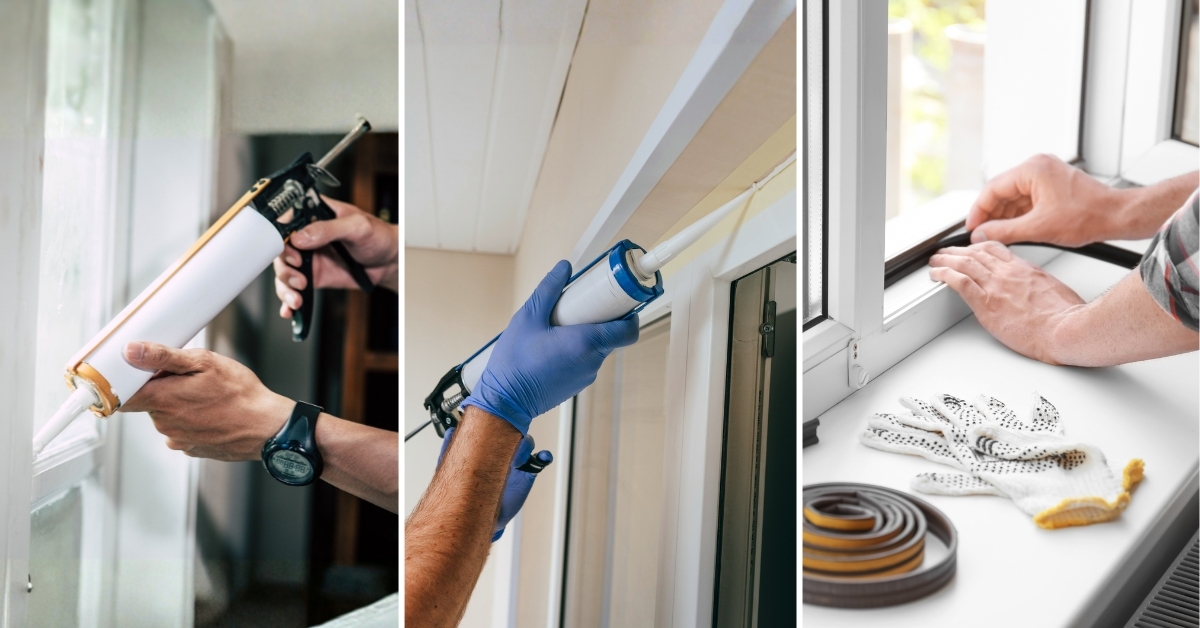
Caulk, sealant, and weatherstripping all help close gaps around your home. That similarity is also why they are so easy to mix up in the hardware aisle!
The problem is that they seal different things. Using the wrong product can leave you with cracked caulking, a drafty door, peeling paint, or a seal that fails you as soon as it gets wet.
Choosing the right one matters in the BC Interior, where your home must handle hot, dry summers followed by cold winters. Sealing air leaks can improve comfort, keep heated or cooled air inside, and help control energy costs. Natural Resources Canada calls air leakage control the single most important retrofit activity for many homes.
Don’t worry. Differentiating between them isn’t hard, we’ll teach you!
Caulk fills small, mostly stationary gaps and cracks. It is commonly used around interior trim and is often paintable.
Sealant creates a flexible, water-resistant or waterproof seal. Use it where moisture, movement, or temperature changes are expected.
Weatherstripping seals moving gaps around doors and operable windows (the parts that open and close).
Here is another way to remember it:
Caulk is a gap-filling product that generally becomes firmer than sealant after it dries/cures. It creates a smooth, tidy finish across small seams, cracks, and joints that are not expected to move very much.
Because many caulking products can be painted, they are especially useful during finishing and renovation projects.
Caulk is usually the right choice for:
For example, imagine installing new baseboards and noticing a thin, uneven line between the trim and the wall. Painter’s caulk fills that line and can be painted along with the trim, creating a clean finished appearance.
Acrylic latex caulk, often called painter’s caulk, is easy to apply, cleans up with water, and is usually paintable. It works well around interior trim, baseboards, moulding, and other dry areas.
Siliconized acrylic caulk contains added silicone for slightly better flexibility and moisture resistance while retaining the easy application and paintability of acrylic products. Some formulas are suitable for protected exterior applications, but you should always check the label.
Sealant is designed to stay flexible after curing. This allows it to expand, contract, and move with the materials around it without cracking or pulling away.
Sealants are commonly made from silicone, polyurethane, or hybrid formulas. They are better suited than standard acrylic caulk to wet areas, exterior surfaces, and joints exposed to temperature changes.
Use an appropriate sealant for areas such as:
Temperature range and moisture exposure are two of the most important factors to consider when choosing between caulk and sealant. Flexible sealants are particularly useful in kitchens, bathrooms, and exterior locations where conditions regularly change.
Pure silicone is durable, flexible, and waterproof, making it a strong choice around tubs, showers, sinks, and other wet areas. However, most traditional silicone products cannot be painted.
That is one of the most common mistakes homeowners make: using silicone in an area they plan to paint later! Paintable hybrid and siliconized products are available, but you should never assume a tube is paintable without first checking its label.
Put simply: use caulk when you need a neat, paintable fill on a stable gap. Use sealant where water, movement, or long-term weather exposure is involved.
Weatherstripping is something entirely different.
Rather than being squeezed from a tube, weatherstripping comes in strips, sweeps, tension seals, and gaskets. It seals the gaps around doors and window sashes while still allowing them to open and close.
Natural Resources Canada offers a useful rule of thumb: caulking, tapes, and gaskets are used for joints that do not move, while weatherstripping is used for joints that do.
Proper weatherstripping can help block:
Foam tape is inexpensive, easy to install, and useful for small or irregular gaps. However, it can compress and wear out relatively quickly, especially on frequently used doors.
V-strip, also called a tension seal, folds into a V shape and springs open to close a gap. Its slim profile works well along the sides of doors and sliding or double-hung windows.
Door sweeps attach to the bottom of a door to close the space between the door and threshold. A well-sealed exterior door generally needs weatherstripping along the top and sides, plus a sweep at the bottom.
Felt weatherstripping is an affordable option for low-wear areas, although it is generally less durable.
Rubber or vinyl gaskets cost more but tend to hold up better on exterior doors that are opened several times a day.
Before buying any of these, measure the gap and consider how much wear the material will receive. A lightly used window may do fine with foam tape, while a busy front door needs a more durable gasket or compression-style product.
Late summer is a good time to inspect your home for cracks, worn seals, and drafts before colder weather arrives. Check your exterior doors, window frames, plumbing penetrations, baseboards, tubs, and sinks for any gaps that might need attention!
Not sure which one to grab? Describe the gap or bring a photo to Shepherd’s Home Hardware Building Centre in Armstrong. The team can help match your project with the right caulk, sealant, weatherstripping, and application tools. Contact or visit us today!
All three seal gaps — but they are not interchangeable. Learn what caulk, sealant and weatherstripping each do best, and seal your home before the cold hits.

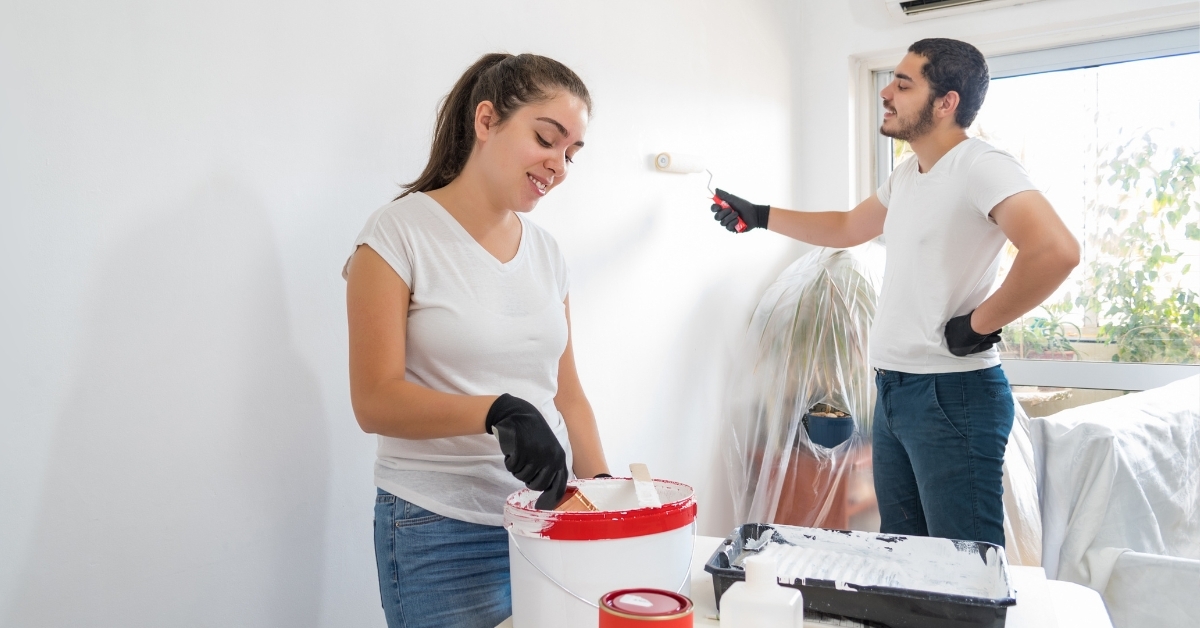
Primer isn't one product. Compare drywall, bonding and stain-blocking primers, learn when you can skip primer entirely, and get a finish that actually lasts.
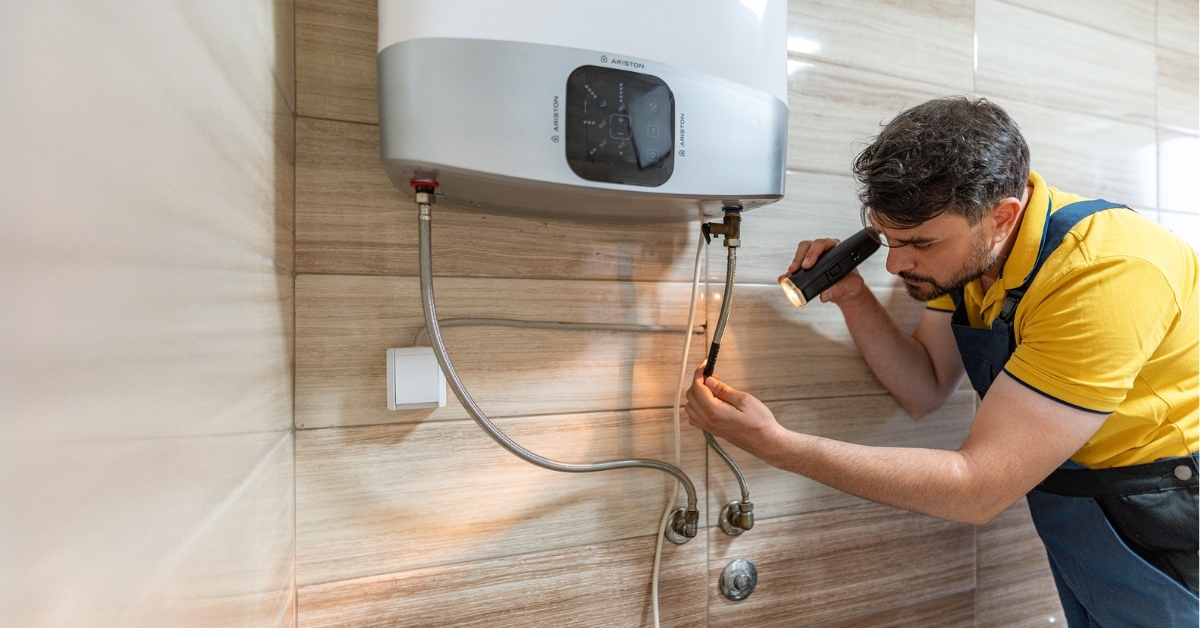
Waking up on a frosty Canadian morning, turning on the shower looking to start your day…only to be blasted with icy water because everyone else has already emptied the hot water tank. It’s a familiar scene, no? We’ve all been there. Does it have to be this way?


