.png)
Maintaining good indoor air quality isn’t just about comfort, it’s about health. Health Canada recommends proper ventilation as the first (and most important) step in keeping your home’s air clean. For Canadian homeowners, it’s a top priority at all times of the year…even in the middle of winter!
We need ventilation to help remove pollutants, reduce excess moisture, and circulate fresh air throughout our living spaces. It’s essential. But how do we practically ventilate our homes without losing heat? Here are some quick tips to help you out:
By making ventilation a regular part of your routine, you can significantly improve your home’s indoor air quality. Even the above small steps can make a noticeable difference.
Getting your ventilation strategy in order is one thing, but finding the root of any pollutants in your home is another.
Common indoor air pollutants include the following:
Reducing these pollutants can have a significant impact on your home’s air quality. Here are some practical strategies to help you do so:
Finding the root of home pollutants and addressing them promptly is one of the quickest and most cost-effective ways to make a difference.
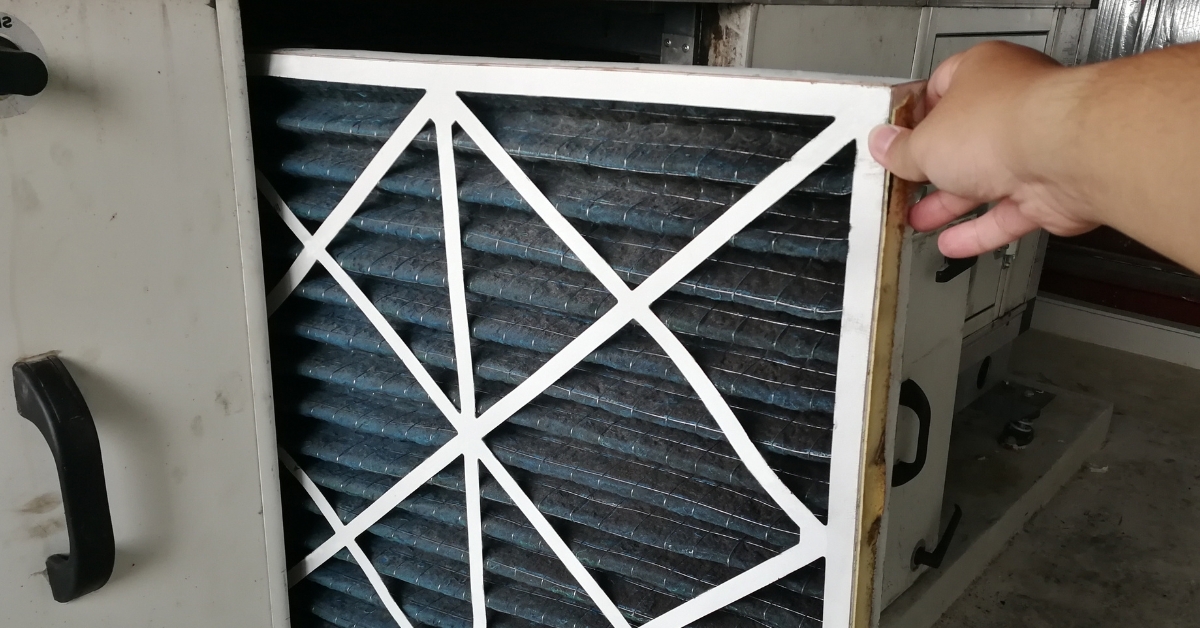
Even with everything we’ve talked about so far, some airborne particles that are harmful to your health can still linger. Air purifiers and HVAC filters help to solve that problem. HEPA filters, for example, can capture the fine particles from things like dust, pollen, and pet dander, which has a dramatic effect on indoor air quality.
Portable purifiers are ideal for individual rooms, while whole-home units integrate with your HVAC system. You’ll want to ensure the purifier is appropriate for the room size (manufacturers usually provide square footage recommendations). And finally, regular filter maintenance is crucial: replace filters according to the manufacturer’s schedule to maintain performance!
Radon is a significant, yet often overlooked, indoor air pollutant. It’s a naturally occurring radioactive gas that can seep through cracks in your foundation. Long-term exposure can actually increase the risk of lung cancer, and the only way to know how much is in your home is to test it!
Here are the key things to know about radon:
Taking the simple step of testing your home for radon gives you peace of mind and is a crucial part of keeping your indoor air safe and healthy.
Improving your home’s indoor air quality is achievable with a focused, multi-pronged approach. Even small changes like opening windows for a few minutes each day, using a HEPA vacuum, or choosing low-VOC products can have a big impact over time.
Shepherd’s Hardware offers both the products and expertise to help Canadian homeowners create a healthier, more comfortable living environment. Visit us in-store today, and let our team help recommend what steps you should tackle first!
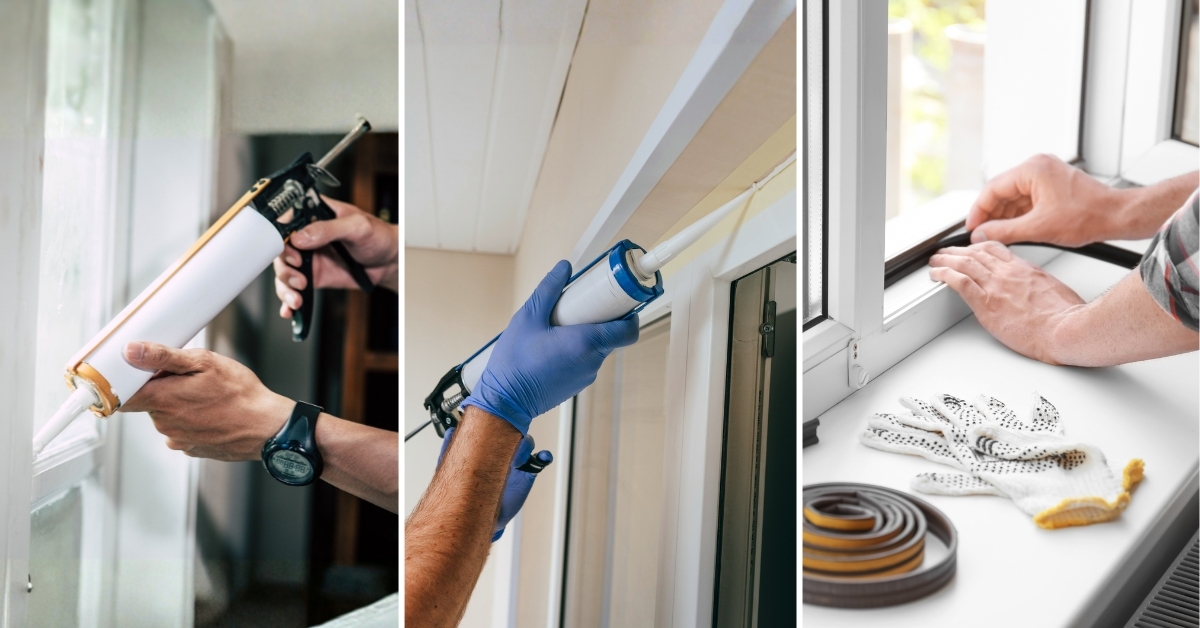
All three seal gaps — but they are not interchangeable. Learn what caulk, sealant and weatherstripping each do best, and seal your home before the cold hits.

Primer isn't one product. Compare drywall, bonding and stain-blocking primers, learn when you can skip primer entirely, and get a finish that actually lasts.
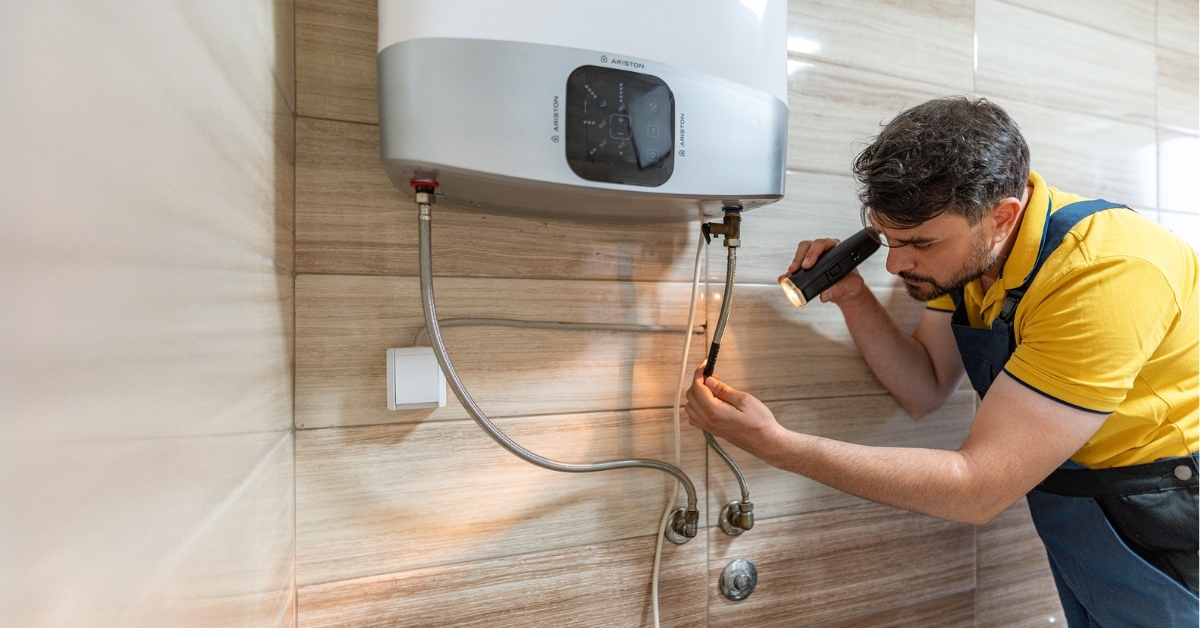
Waking up on a frosty Canadian morning, turning on the shower looking to start your day…only to be blasted with icy water because everyone else has already emptied the hot water tank. It’s a familiar scene, no? We’ve all been there. Does it have to be this way?


