
The seasons in Armstrong can be sneaky…
September can still feel like summer, but we all know that the first frost is just waiting around the corner. This makes early fall the best time to get ahead of winter home maintenance. Supplies are stocked, the weather is temperate, and any necessary service appointments are easier to book.
“Did you know that winter electricity bills can be up to 66% higher than during the rest of the year?”
Want to get ahead of the cold? We have a fall home maintenance checklist to help you get it done!
You’ll want to have the following on hand:
We’d suggest booking your furnace or chimney service now. Disconnect any outdoor hoses, and make sure all emergency supplies are stocked before the first freeze arrives.
Air leakage control is one of the most important energy upgrades you can make, and poorly sealed openings can account for up to 40% of a home’s heating and cooling loss.
Check your door bottoms, jambs, basement rim joists, attic hatches, and window sashes. Look around your pipes, wires, and dryer vents, checking all the spots where they pass through exterior walls, too.
For a breakdown of which sealing product goes where, you can read our guide to caulk, sealant, and weatherstripping. A simple rule: caulking and gaskets are generally used for joints that don’t move, while weatherstripping is designed for moving joints (such as doors and operable windows).
Before you start needing your furnace every day, you’ll want to book a furnace tune-up (we recommend getting an annual tune-up before winter). If you’re burning wood, get your chimney inspected and cleaned before fireplace season.
Heating and cooling represent almost two-thirds of home energy use, so keeping these systems working properly can have a big impact on your utility bills.
Test your smoke and carbon monoxide alarms, change or clean your furnace filter, and make sure your vents are clear.
Disconnect and drain your hoses. If your plumbing situation allows it, you’ll want to shut off the interior valve that supplies each outdoor tab. Open the exterior bib to drain any remaining water before installing an insulated cover. Any other irrigation-type equipment should be drained, and you’ll want to keep your hoses and nozzles stored indoors.
Inside, give some extra attention to the pipes that run through crawlspaces, garages and unheated basements. Foam insulation can help protect these more vulnerable areas. If you’re leaving home during the winter, it’s recommended that the minimum temperature in your home is no less than 13°C.
For more information, you can check out our winter plumbing tips to prevent freezing pipes.
The timing on this one is particularly important; you want the leaves to have fallen, but you don’t want your gutters to be frozen. This can be a small window!
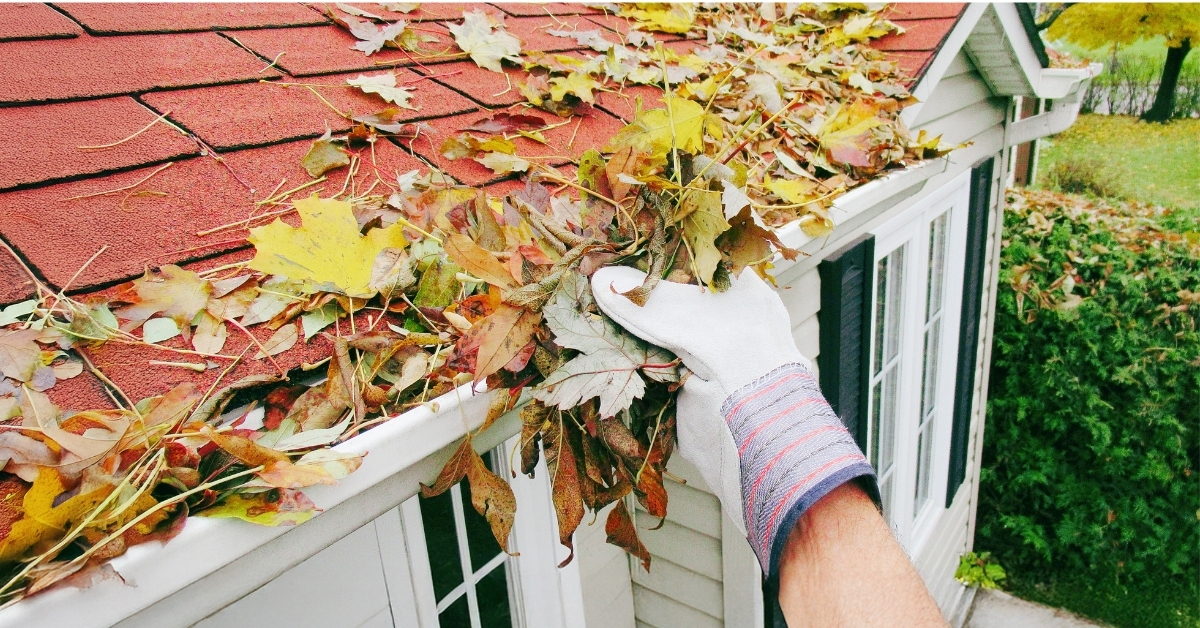
Gutters should be cleared of leaves and debris so any rain and/or melting snow can freely drain. We recommend cleaning your gutters at least once a year (gutter guards can help prevent future buildup, too). If you’re using an extension ladder, consider adding a stabilizer to prevent the risk of falling.
From the ground you can scan the roof for any lifted, torn, cracked, or missing shingles. Look in the attic, too. Insulation should be intact and soffit ventilation should be unobstructed. Compromised attic conditions can lead to ice damming, which can let water work its way beneath shingles.
If your roof is steep, wet, or icy, consider hiring a professional.
Is there snow on the driveway? Then you’re past the right time to buy a snow shovel!
Get your winter supplies while it’s in-stock. Don’t be one of those people scrambling on the day the snow decides to fly.
Start with a good snow shovel, ice melt, and traction sand. If you’re unsure what to use on your driveway, our guide to the best ice melt products can help!
It’s good to have enough water and non-perishable food to support your household for at least three days. Some even recommend up to two weeks! You never know what kind of storms will come in; it’s cost-effective and smart to be prepared, just in case.
Four litres of water per person per day (this covers both drinking and sanitation). It’s good to have a battery-powered radio, flashlights, and extra batteries somewhere easy to find in the dark, too.
A fall home prep list doesn’t need to mean five different trips around town. Shepherd’s Home Hardware carries everything you need to get it done! Visit us today, and let our friendly team of experts help you get ready for winter!
Get ahead of the deep freeze. Our fall home prep checklist covers what to seal, service, drain and stock up on, organized aisle by aisle for one easy trip.


Grilling season is here! Get your grill clean and your setup ready with our backyard BBQ starter kit — tools, upgrades, and essentials from Shepherd's Hardware.
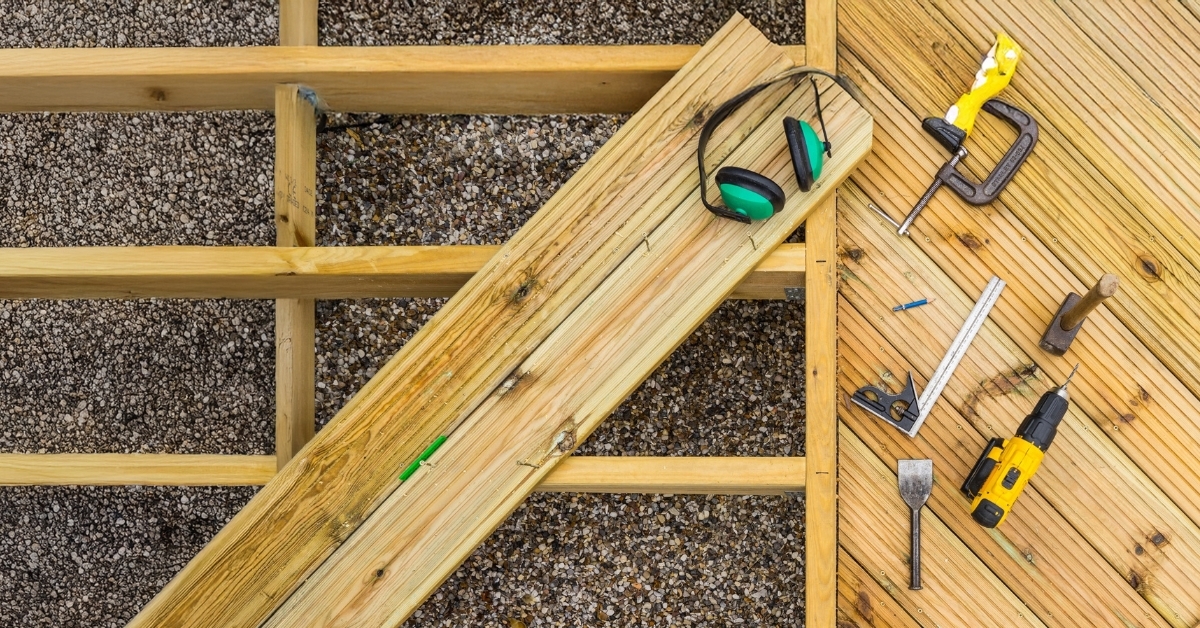
Don't dig your backyard without a plan! Discover the essential patio pavers, base materials, and tools you need to buy before starting your weekend DIY project.


