.png)
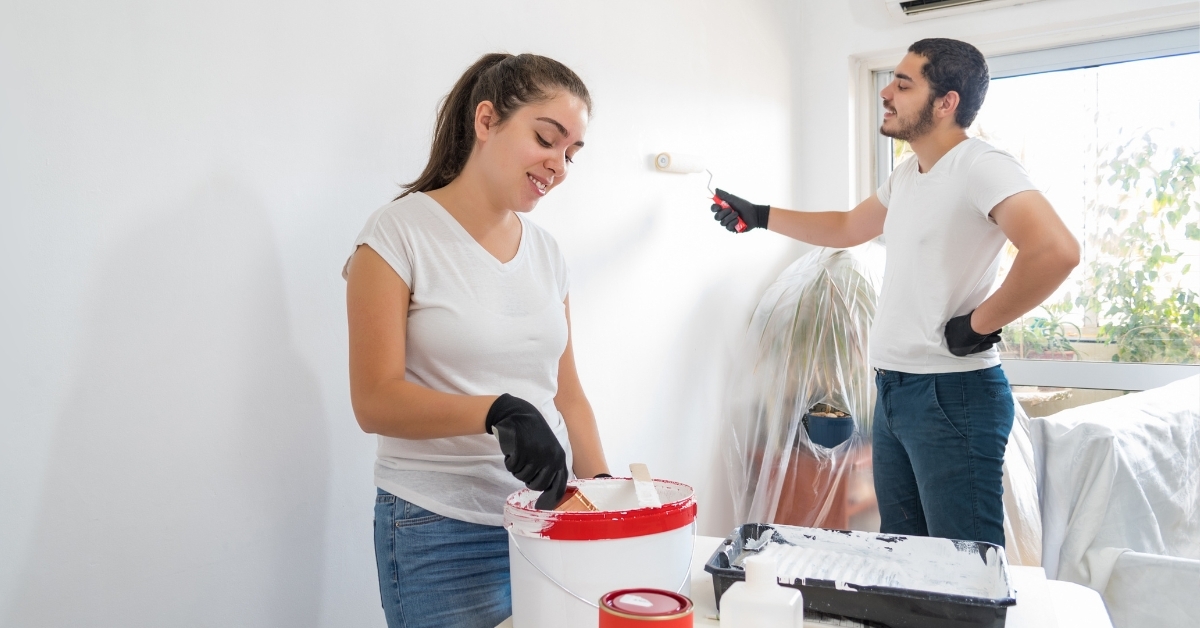
Ready to start painting? Thinking about skipping the primer? Think again!
Skipping this step (or choosing the wrong type) is one of the most common reasons a paint job goes awry. Peeling, blotchy, requiring more coats than expected…they can all, more often than not, be chalked up to skipping the primer!
Different primers are made for different surfaces and problems. By the end of this guide, you’ll know exactly which paint primer to use for drywall, cabinets, stains, exterior surfaces and everyday repainting projects.
Different products have different jobs, paint and primer are no different. Paint gives you the colour, sheen, and finished appearance you’re envisioning for your space. Primer preps the surface underneath, allowing the paint to perform as it should.
Depending on the formula, primer can:
New drywall is a great example. Drywall paper and joint compound absorb paint at different rates. Without primer, the finished wall may look patchy or uneven even after several coats.
The right primer gives you better adhesion, more consistent colour and a finish that lasts longer.
Don’t get us wrong, not every paint project requires a separate primer. Surface condition matters quite a bit in this equation…
If you’re painting the following, prime it:
If you’re painting the following, you can skip it:
If you have a straightforward room refresh on the books, paint-and-primer-in-one products can be useful. They can provide excellent coverage over walls that have been previously painted, clean and in good shape.
Keep in mind, though, a combination product is not a substitute for dedicated primer on bare drywall, glossy cabinets, stains, or other complex surfaces.
Here’s the best advice we can give you: Start with the surface rather than the paint colour.
Best for: New, unpainted drywall
PVA primer seals the porous drywall paper and joint compound covering seams, patches and screws. This helps the topcoat absorb evenly and prevents dull or blotchy areas.
It is affordable and usually the default choice for fresh drywall. However, drywall primer is not designed to block strong stains or help paint stick to glossy surfaces.
A product such as Beautitone Interior Latex Drywall Primer Sealer is a practical option for new drywall projects.
Best for: Slick, glossy or hard-to-paint surfaces
Bonding primer creates a grippable layer between the surface and your paint. It is commonly used for:
You may still need to clean, degrease or lightly sand the surface before priming. However, bonding primer can significantly reduce the risk of paint scratching, chipping or peeling away.
Best for: Stains, odours and wood tannins
Stain-blocking primers will help seal problem areas so they do not show through the finished paint.
Use one over:
Stain blockers are available in water-based, oil-based and shellac-based formulas. Water-based primers are convenient for many household projects and are easier to clean up.
Oil- and shellac-based primers are often better for severe stains and strong odours, but they require more ventilation and a careful cleanup.
Beautitone Block-It Primer Sealer is one interior and exterior option for projects where stain blocking is the priority.
Best for: Routine repaints on sound surfaces
Paint-and-primer-in-one works well when you’re repainting a clean, previously painted wall in a similar or slightly different colour.
It offers convenience and good coverage, but it won’t replace a dedicated primer when the surface is bare, stained, glossy or difficult to coat.
There is a difference between interior and exterior primer (even though some people use them interchangeably). Interior primers can carry an inherent risk when being used outdoors.
Exterior primers are designed to withstand moisture, sunlight and temperature changes. Think about how important this is in the North Okanagan! Surfaces might face hot summer sun, rain, snow and freezing winter temperatures all within the course of a year.
Primers formulated for the outdoors may also contain mildew-resistant ingredients and flexible resins that can move dynamically with the structures they sit on. Using an interior-only primer in such circumstances can lead to peeling, fading, or early deterioration.
For fences, decks and siding, choose an exterior primer rated for the specific material. You can read our guide to refreshing your fence before getting started!
Use this list before heading to the paint aisle:
Preparation still matters. Clean the surface, repair damage and allow everything to dry before applying primer. For more project-planning advice, read Home Renovation 101: A Beginner’s Guide.
You don’t need to memorize every primer formula before starting your project. Bring a photo or description of the surface to the paint department at Shepherd’s Hardware in Armstrong! The team can help match your project with the right primer, Beautitone paint, brushes, rollers, tape and preparation supplies.
If you’re still choosing a colour, visit the Shepherd’s Design Centre or read our guide to choosing the right paint colours for your home.
Not sure which one you need? Visit or contact Shepherd’s Hardware, and the team will help you find the right primer, paint and supplies in one stop!
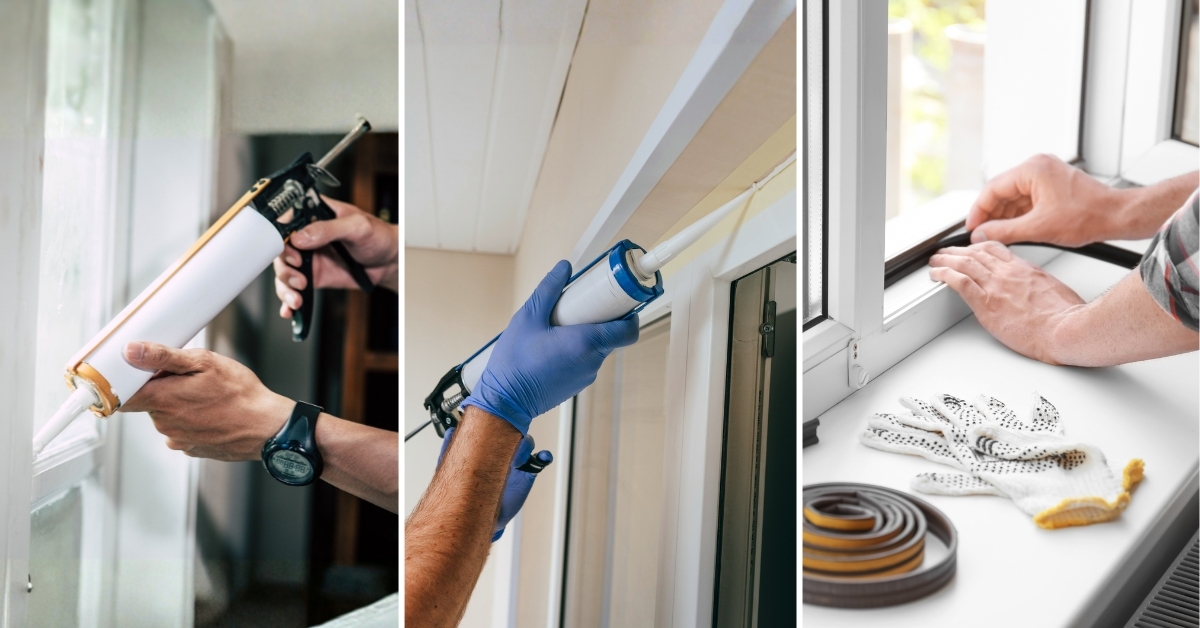
All three seal gaps — but they are not interchangeable. Learn what caulk, sealant and weatherstripping each do best, and seal your home before the cold hits.

Primer isn't one product. Compare drywall, bonding and stain-blocking primers, learn when you can skip primer entirely, and get a finish that actually lasts.
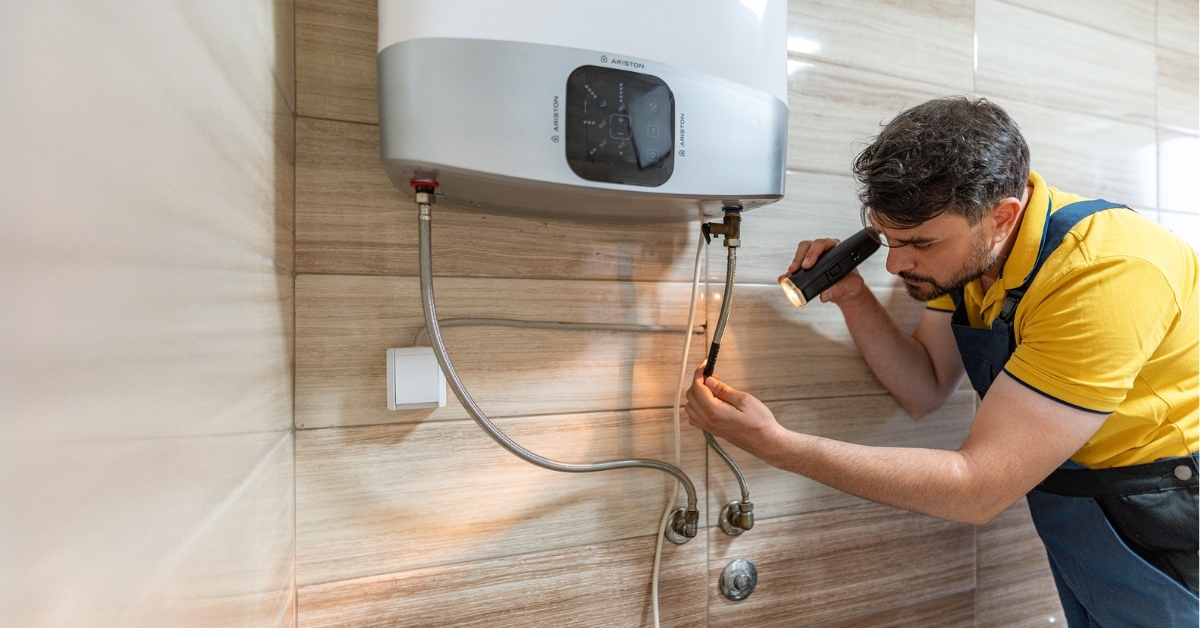
Waking up on a frosty Canadian morning, turning on the shower looking to start your day…only to be blasted with icy water because everyone else has already emptied the hot water tank. It’s a familiar scene, no? We’ve all been there. Does it have to be this way?


